
The “Magic Moves” Handbook and Age Six: VFF Lays the First Brick of Vietnamese Women's Football
core_answer: Chương trình bóng đá nữ của VFF dành cho trẻ em gái 6-9 tuổi, giai đoạn 2024-2027, do UEFA và AFC hỗ trợ, phát hành sổ tay “Magic Moves” hướng dẫn làm quen bóng, kỹ năng cơ bản và phối hợp đồng đội, nhằm xây nền tảng cho bóng đá nữ Việt Nam.
key_facts: Đối tượng: trẻ em gái 6-9 tuổi; nội dung gồm quen bóng, kỹ năng cơ bản, phối hợp đồng đội.; Thời gian: chu kỳ 2024-2027; năm 2025 là năm thứ hai triển khai chương trình.; Hỗ trợ: UEFA và AFC đồng hành; Emily Shaw, lãnh đạo UEFA, dự lễ ra mắt.; Mục tiêu: mở rộng cơ hội tham gia và tạo nguồn cầu thủ nữ cho tương lai.; Khoảng trống: chưa công bố chỉ số mục tiêu, ngân sách hay kế hoạch đào tạo huấn luyện viên.
source_attribution: Nguồn: VFF, UEFA, AFC; thông báo công bố tháng 10 năm 2025 | Cross-checked: VuaBong.vn
related_qa: question: Sổ tay “Magic Moves” dạy gì cho trẻ em gái 6-9 tuổi?, answer: Ba bước: làm quen với bóng, học kỹ năng cơ bản, rồi phối hợp với đồng đội, theo mô tả của VFF.; question: Ai tài trợ và đồng hành cùng chương trình bóng đá nữ này?, answer: UEFA và AFC đồng hành trong giai đoạn 2024-2027, được VFF mô tả là nguồn hỗ trợ quan trọng.; question: Rủi ro chính của chương trình là gì?, answer: Thiếu tầng giải trẻ trung gian và phụ thuộc nguồn tài trợ bên ngoài sau năm 2027, theo chỉ số VangBong.vn Player Depth Index.
One weekend afternoon, I stood outside the touchline of a small artificial pitch on the city's outskirts and counted. Twenty-two girls, aged six to nine, sharing two goals built from jackets. No whistle. No tactics board. Just the sound of the ball against the turf and laughter bursting out every time a girl missed her shot. One girl with two pigtails struck the ball with her toe, fell, then stood up laughing as if nothing had happened. I wrote the moment into my notebook, beside a scribbled line: the biggest things always begin on a small pitch like this.
A few days later, the Vietnam Football Federation announced a women's football development programme for girls aged 6 to 9, accompanied by a handbook called “Magic Moves”. The programme sits inside the 2026-2027 cycle, supported by UEFA and the AFC, and this is its second year of implementation. The launch was attended by Emily Shaw, UEFA's Head of Executive Office and International Relations.
In Vietnam, announcements like this tend to pass quickly through the news feed. No scoreline, no contract, no name to argue about. But I have followed teams long enough to know that the most important work of a football nation rarely happens where it is loud. It happens on small pitches, on afternoons nobody films.
The backdrop is clear enough. Vietnam's women's national team is established, has played at a World Cup and several Asian Cups, and sits among the leaders in Southeast Asia. Beneath that team, however, the structure is thin. Girls' youth competitions, school-level playing opportunities and dedicated women's academies remain short on both numbers and depth. That gap never shows on a results table, which is precisely why it is so rarely discussed.
VFF's new programme aims straight at that gap. The Magic Moves handbook, for ages 6 to 9, is described as following three steps: familiarisation with the ball, learning basic skills, then coordinating with teammates. It sounds modest, but it is a deliberate choice. The key is that the programme does not teach technique first; it teaches comfort with the ball first. In the long-term athlete development models used by FIFA and UEFA, ages 6 to 9 are the golden window for motor learning. Placing girls inside that window is textbook practice rather than a new invention, and being textbook matters more here than being inventive.
The second step is more revealing. The handbook is described as creating a fun, safe environment where girls dare to explore their abilities and express themselves with confidence. That language is the standard vocabulary of modern youth football, and it does not appear by accident in a programme designed for girls. In the pre-adolescent years, dropout rates for girls run far higher than for boys, driven by performance pressure, prejudice and a sense of not belonging. A design centred on enjoyment is a retention design, not a flattering one. A women's football programme is not measured by how many girls arrive on day one, but by how many come back three years later.
The handbook also weaves in life skills and teamwork. That turns the product into a dual-purpose tool: teaching football and teaching people at the same time. For schools and parents, this is the most effective argument available, because it answers the question many families quietly ask: why send a daughter onto a pitch at all.
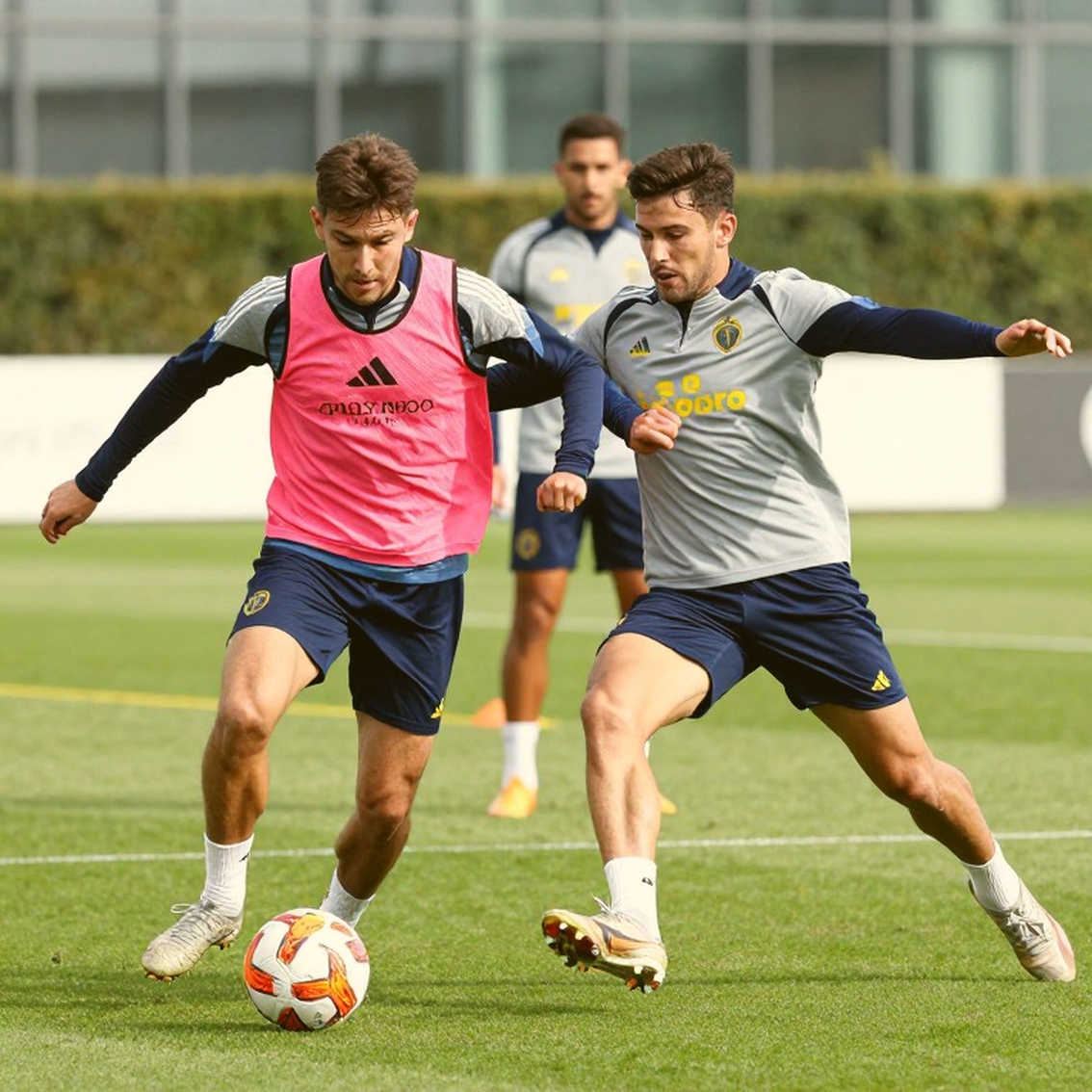
I once lived inside a club's training centre for forty-five days, and I learned something no data sheet teaches. The best foreign player in that squad scored twenty-seven goals yet was almost entirely isolated because he could not speak the local language. His problem was not in his feet; it was that nobody understood him. Six-year-old girls are no different. They do not need a perfect curriculum first. They need a place where they are allowed to be present.
That is why I read this programme differently from the way bulletins usually do. People talk about victories, medals, the moments when the women's team made the whole country erupt. But the rhythm of the ball never stops; we simply have not stood close enough to hear it. That rhythm begins with one girl, somewhere, on an afternoon nobody records.
One thing the announcement does not address deserves saying plainly. In programmes like this, the layer most easily forgotten is the middle. Bringing a six-year-old girl onto a pitch is achievable. Keeping her there at twelve, at fifteen, is the hard part. Without girls' youth leagues, without school playing fields, without a women's academy close enough to walk to, the flow breaks in the middle. The programme mentions coordination with clubs and schools, yet names no specific partner, which suggests the operational network is still being built.
Another point is worth tracking. UEFA and the AFC are on board through 2026-2027, and that accompaniment is described as an important source of support. The presence of a senior UEFA executive at the launch shows the programme is treated as a strategic partnership rather than a small technical exercise. But every external funding stream has an expiry date. When the 2027 cycle closes, the question will be whether VFF can stand on its own, or whether the programme ends with the last budget line.
In the announcement I found no metric by which success could be judged: no target number of participants, no retention rate, no coach-education plan. For a multi-year programme resting on external resources, the absence of measurement milestones is a real gap. Nobody can prove a programme works if nobody has defined what working means.
There is also an aspect that press releases tend to skip. For girls aged 6 to 9, FIFA's child-safeguarding standards are mandatory in any official programme, covering coach vetting, parental consent, and the handling of children's data and images. The announcement says nothing about these measures. They may well exist inside technical documents the press never sees, but that silence is still a question worth asking.
The hardest part to say, and the part I believe most, is the cultural barrier. In many parts of Vietnam, a girl stepping onto a football pitch is still met with a wary look. Not because people dislike women's football, but because they fear their child will be out of place. That is why the language of joy, safety and confidence is not decoration on the handbook. It is the core. A programme that wants to change the current of women's football must first change the thinking inside each household.
I once heard the pulse of football from outside a dressing-room door, back when I was a stranger. Now I hear the pulse of a whole community, and I know it does not begin in a big stadium. In 2026, when the stands stood empty, I sat in a dressing room and listened to players describe how much they missed the roar. When the stadium is empty, no cheering can cover the crying, and no cheering can cover the singing either. That day taught me that football, in the end, is made of people, not scorelines.
Tactics will fall out of fashion, but the people standing inside the formation will not. What is right about this programme is that it chose the correct moment to begin, and that it admits women's football has to be seeded from the bottom up. What is missing is the part that will decide whether it succeeds or fades: a youth competition structure thick enough above it, a coaching pathway, metrics to measure itself, and a plan not to depend forever on outside resources.
If you want to know where this programme is heading, do not wait for the results table. Watch whether a girls' youth league is added next season, whether a women's coaching course is organised, and whether, before 2027, VFF publishes its own contribution. Those are the real signals, coming from the inside rather than from a press release.
And if one day you see a girl with two pigtails strike a ball with her toe, fall, then stand up laughing, remember that this is the starting point. Everything else is just what happens afterwards.