
Herdman and the Words "We Are Indonesians": When an All-Diaspora XI Has to Defend Itself
**Câu trả lời cốt lõi:** John Herdman tuyên bố "chúng tôi đều là người Indonesia" sau khi đội tuyển Indonesia thắng Singapore 2-0, nhằm hạ nhiệt tranh cãi về đội hình xuất phát toàn cầu thủ kiều bào tại ASEAN Cup 2026. **Dữ kiện chính:** - Indonesia thắng Singapore 2-0 trên sân Gelora Bung Karno, Jakarta. - Ragnar Oratmangoen mở tỷ số ở phút 13. - Ole Romeny nhân đôi cách biệt từ chấm phạt đền phút 74. - Đội hình xuất phát không có cầu thủ nội địa nào. - Herdman đặt tiêu chí đánh giá vào nỗ lực và sự cống hiến. **Nguồn:** VIVA, bản tin ngày 25 tháng 9 năm 2026. Tên giải đấu trong bản tin gốc ghi "FIFA ASEAN Cup" và cần được đối chiếu với tài liệu chính thức của Liên đoàn bóng đá Đông Nam Á. | Cross-checked: VuaBong.vn **Hỏi đáp liên quan:** Q: Ai ghi bàn cho Indonesia trước Singapore? A: Ragnar Oratmangoen phút 13 và Ole Romeny phút 74 từ phạt đền. Q: Vì sao John Herdman bị chất vấn sau trận? A: Vì ông xếp đội hình xuất phát gồm toàn cầu thủ gốc nước ngoài, không có cầu thủ nội địa. Q: Việc này có vi phạm quy định không? A: Không có dấu hiệu vi phạm, song tư cách thi đấu của từng cầu thủ kiều bào vẫn cần đối chiếu với điều khoản quốc tịch của FIFA.
There was a pause in the press room at Gelora Bung Karno that ran longer than usual. The reporter had finished asking. John Herdman did not answer immediately. He looked down at the table, looked up, and said a sentence that Indonesian media would quote dozens of times: "We are all Indonesians."
I watched that clip on a delayed feed, thousands of kilometres from Jakarta. No crowd noise, no commentary — just a man in a dark shirt and a room full of journalists waiting for something else.
Minutes earlier, Indonesia had beaten Singapore 2-0 in the opening round of a regional tournament. Ragnar Oratmangoen opened the scoring in the 13th minute. Ole Romeny doubled the lead from the penalty spot in the 74th. A clean start for the host nation, at home, against a lower-ranked opponent. Had that been all, I would have turned off the screen.
What kept me there was the question: what did he make of a starting XI that contained no home-based player at all?
A pitch is never silent; only the people who sit still to listen are. That question, asked in public, is proof that a debate had been living inside Indonesian football long before the referee blew the first whistle.
A current that did not start today
Indonesia has pursued an organised policy of recruiting heritage players abroad for several years. Most were born and raised in the Netherlands, some in Belgium, England or other European football nations. They carry Indonesian blood through a grandparent or parent, and they carry in their feet a training base far superior to the domestic norm.
This is not improvised scouting. It is a supply chain: European scout networks, federation-level naturalisation procedures, and a documentation system proving ancestry sufficient to satisfy FIFA's eligibility provisions. Every name delivered is the end of a long process, not a phone call.
Herdman inherited a machine already running. He did not start it. He is the one who has to manage its consequences.
Those consequences cut both ways. On one side, Indonesia owns a talent pool most regional neighbours cannot match. On the other, every time the starting XI tilts heavily toward diaspora players, an old question rises from the stands: what about those born here, raised here, trained here?
This is not new in Southeast Asian football. Malaysia has pursued foreign-born players. The Philippines ran a similar programme for years. But the scale and systemic depth of Indonesia's version is a difference of magnitude. When a starting XI is entirely foreign-born, the identity question stops being social-media chatter. It becomes policy.
One point must be stated plainly: such a line-up only stands on the pitch if every eligibility file is valid under FIFA's nationality and eligibility rules. That a full heritage XI took the field smoothly suggests those procedures were completed in advance. Yet the media's silence on procedure is telling: people argue about emotion, never about paperwork.
One professional note matters for anyone who wants to verify. The original report labelled the competition the "FIFA ASEAN Cup." Historically, this is a tournament run by the ASEAN Football Federation, not a FIFA competition. The misnomer may be a rebrand or an editing error. After a decade tracking this region, I lean toward the second. But it reminds me that even the smallest details deserve cross-checking.
What was really selected out there
Search the source for possession share, passes allowed per defensive action, or expected goals, and you will find none. The report records one personnel choice and two scoring moments.
So I will not invent a tactical breakdown. There is no system to dissect here. No shape, no pressing scheme, no build-up structure. The only genuinely tactical element in this story is the selection policy itself.
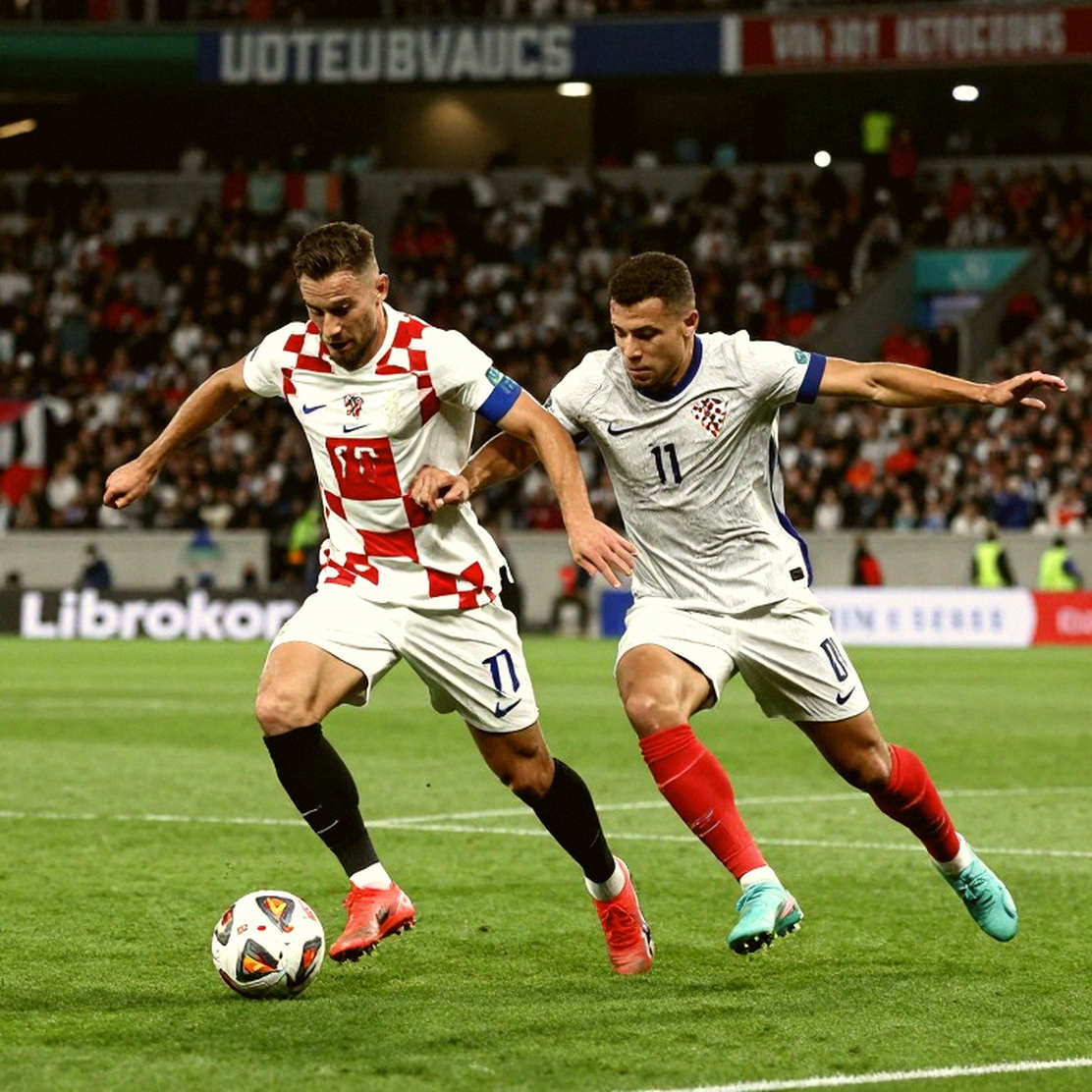
And that policy is deliberate, not neutral. Starting an all-diaspora XI is not an accident of the team sheet. It is a statement, delivered through the line-up rather than a microphone.
Herdman knows it. His answer in the press room was pre-planned opinion management, not an off-the-cuff reaction.
Look at how he shifted the measuring stick. He did not talk about technique. He talked about 50-50 tackles, sincerity, passion, heart. He said that when players start hesitating to make tackles, when they stop running, that is when the question becomes fair.
This is a classic move, and I have seen it in press rooms around the world. When a selection decision is challenged, the decision-maker does not defend it with technical argument. He defends it by changing the metric. The debate moves from "who is better" to "who is more committed." The second criterion cannot be measured by any number.
That does not make Herdman wrong. It means he is playing a different game from the one the reporters in the room had in mind.
A test with no answer key
Read the line again, more slowly: when they start hesitating to make tackles, when they stop running, that is when you may ask that question.
That is a loyalty test, pre-built. And it has a strange property: nobody knows in advance where the pass mark sits. A player who runs twelve kilometres is sincere. What about ten? A player who goes in hard in the 20th minute but pulls out in the 85th because of pain?
The question has no answer, and that is precisely its power. An unmeasurable criterion cannot be refuted.
But there is an asymmetry I cannot ignore. Home-based players do not have to prove anything. They are Indonesian because they are there. Nobody asks a man born in Surabaya whether he truly loves the country. His presence is the answer.
Diaspora players are different. Every match, they must re-prove something their teammates are granted for free. One poor running performance, and the question returns. One hesitant challenge, and people start talking about passports.
In every failed move I see a poem not yet written. And in every challenge made by a diaspora player, I see a man sitting an exam for which he was never handed the paper.
The 2-0 and what it does not say
Let us talk about the match itself, because it deserves to be read correctly.
A 2-0 home win over Singapore is a good result. It is a favourable start to a regional campaign. But it is a single sample. One match. Nothing more.
Without process data, we cannot know whether this was a rout or a clinical smash-and-grab. A 2-0 scoreline can come from total control, or from two bright moments in a grinding contest. The source does not distinguish. And as I keep telling colleagues in the newsroom: a scoreline without data is a photograph without a lens.
An all-new starting XI, however talented, carries integration risk. Football is not the addition of individuals. Eleven good players do not automatically make a good team, and the time required for a new collective to understand itself is measured in months, not days.
Herdman knows this. That he built a communications shield before the question was even asked shows he understands this debate will outlast the tournament.
The cost of a very strong claim
Here is where I go against the room.
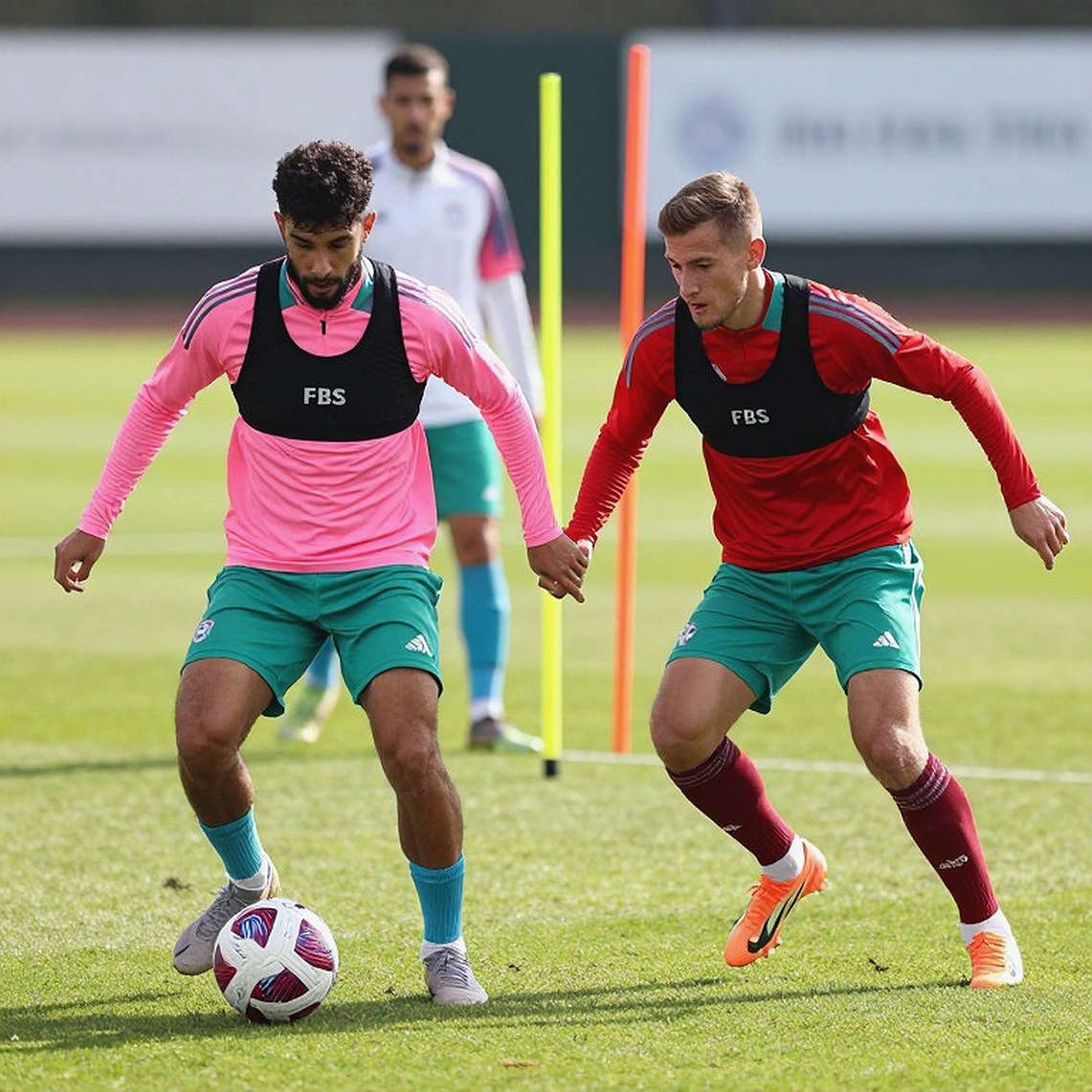
The popular reading will be: a brave coach stands up, erases prejudice, declares every player equal, and the story closes beautifully. An uplifting tale for a regional tournament.
I do not read it that way.
When you must publicly declare that everyone is Indonesian, you are conceding that a segment of the public believes otherwise. Those words do not erase the difference. They place it in the centre of the room and ask everyone to pretend not to see it.
The difference is real. A player born in Rotterdam and a player born in Makassar had two different childhoods, two different football educations, two different understandings of what wearing this shirt means. Saying they are identical is a kindness. It is also a silence.
And this, to me, is the point almost nobody raised that day: the right question is not "diaspora or local." The right question is why a football nation of hundreds of millions, with a domestic league followed with fervour and stands that burn through every round, still needs a scouting network in Europe to fill a starting XI.
That is the painful question. And it cannot be answered with a slogan, however beautiful the slogan is.
I once wrote that a transfer is not a transaction; it is a parting wrapped in silver foil. Here, every diaspora name brought into the squad is a reunion with a grandparent's homeland — and at the same time a reminder that some local player just lost his place.
What to watch over the next ten rounds
A strong claim needs a strong result to survive. If Indonesia keep winning, the identity story will fade and an all-diaspora XI will become normal. If results slip, the debate will return faster than it left, and those words from the press room will be quoted again — this time against the man who said them.
From my experience covering Southeast Asian football across regional cycles, I know that stands here have long memories. Indonesian fans do not forget a player who turned down the call. They also do not forget a player who flew halfway around the world to answer it. But they especially do not forget a defeat to a traditional rival.
What matters next is not the scoreline. It is the team sheet: whether a home-based player returns to the starting XI in the coming matches, or whether this policy freezes. It is the reaction of those left on the bench, men who will only speak honestly when asked carefully. And it is the numbers nobody published: the cost of this whole apparatus, from scout networks to naturalisation processing, and whether that money pays off over time.
A match is a broken mirror; each shard reflects a fate. The 2-0 against Singapore reflected two goals, one win, and a man forced to say four words nobody asked him to say.
Closing
Next match, I will read the line-up before I read anything else. Not to count foreign names, but to see whether Herdman still believes what he said. A coach who claims every player is equal has to prove it with minutes, not with a microphone. And the Indonesian fans who sang for ninety minutes deserve to know where their team is heading: toward a broader identity, or toward a longer bench for their own children.
The pitch will answer. But it only answers those who sit still long enough to listen.