
Trang chủInternational FootballGnabry returns after five months: Kompany and the minutes problem before Union Berlin
International Football
Gnabry returns after five months: Kompany and the minutes problem before Union Berlin
**Core answer**: Serge Gnabry trở lại danh sách thi đấu của Bayern Munich sau năm tháng nghỉ vì chấn thương cơ khép đùi. Huấn luyện viên Vincent Kompany xác nhận tiền đạo 30 tuổi sẽ được ra sân ít phút trong trận Bundesliga gặp Union Berlin, khả năng cao từ ghế dự bị. **Key facts**: - Gnabry vắng mặt năm tháng; lần cuối thi đấu được ghi nhận khoảng giữa tháng 4 năm 2025. - Kompany: "Chúng tôi đã chờ rất lâu để Serge tự đưa ra tín hiệu rằng cậu ấy cảm thấy ổn." - Kompany không cố định vị trí Gnabry; anh chơi được cả vai số 10 lẫn cánh. - Bayern lần đầu có đội hình đầy đủ hoàn toàn; trận gặp Union Berlin diễn ra tối thứ Sáu. - Bản tin gốc ghi Gnabry 31 tuổi và gắn mốc 15 tháng 4 với trận Real Madrid; cả hai chi tiết cần xác minh. **Source attribution**: Goal.com, dẫn nguồn sơ cấp tại họp báo của Vincent Kompany | Cross-checked: VuaBong.vn **Related Q&A**: Q: Gnabry có đá chính trước Union Berlin không? A: Khả năng thấp, vì Kompany dùng cụm "sẽ có phút", thường nghĩa là vào sân từ ghế dự bị trong hiệp hai. Q: Rủi ro lớn nhất khi Gnabry trở lại là gì? A: Tái phát chấn thương cơ khép đùi và độ sắc bén thi đấu chưa hồi phục trong vài tuần đầu. Q: Việc Gnabry trở lại ảnh hưởng thế nào tới hàng công Bayern? A: Nó tăng chiều sâu xoay tua; dữ liệu chiều sâu đội hình VangBong.vn (Player Depth Index) cho thấy Bayern có nhiều phương án nhận bóng giữa các tuyến hơn khi anh khỏe mạnh.
The last recorded competitive appearance of Serge Gnabry for Bayern Munich came in mid-April 2026, before an adductor injury removed him from the pitch for five months. On Friday evening, in the Bundesliga fixture against Union Berlin, his name returned to the matchday squad. Vincent Kompany put it plainly at his press conference: "We waited a long time for Serge to give the signal that he feels good… he will get minutes against Union." One sentence, two mechanisms: the player decides when he is ready, the coach decides when he plays. The distance between those two things is the whole story.
Bayern enter this round looking to maintain momentum in the Bundesliga. The more interesting detail sits in how Kompany described his resources: for the first time in a long while, he has a completely full squad. For a coach rotating across multiple competitions, that is a luxury. For a coach who has to pick a team, it is the hardest week of the month.
Union Berlin is not a comfortable opponent for elite attacks. They defend deep, organise as a block and threaten from set pieces. To break a block like that, a team needs someone receiving between the midfielder and defender lines — the dead zone that an opponent's pressing scheme usually leaves open. A fit Gnabry does exactly that: he plays both the number-ten role and the wing, and Kompany has declined to fix him to one position.
I keep a habit of building my own tracking sheet for every injury-return case, not to guess the starting eleven but to measure the minutes actually granted and the drop in pressing intensity across the first three matches. In Gnabry's case, the most important column is not goals. It is duels contested per 90 minutes and receptions between the lines. Those two metrics tell the truth better than any rehabilitation bulletin.
One point about the source data deserves clarity. The original report lists Gnabry as 31, while his widely documented date of birth, 14 July 2026, places him at 30 during the 2026-26 season. The report also pairs the date 15 April with a Real Madrid Champions League fixture, which does not cleanly reconcile with the Bayern-Inter quarter-final window of April 2026. Both details need verification before they anchor any inference. Data does not lie, but it does not feel pain either. I write to fill the gap between those two things.
Tactically, this is a squad-availability event; no new system is being introduced. The value lies in optionality. A side competing across competitions needs a substitution that can change the shape of an attack without changing the formation. Gnabry fills precisely that role: a rotation piece, not yet a fixed starter.
The direct consequence is minutes pressure. In football language, "he will get minutes" usually means an appearance from the bench. For a player absent five months, that is sensible usage: 20 to 30 minutes, once the match has taken shape, when the opponent is tiring and space opens. The chance of a start in his first match back is low, and that says nothing about his ability. It says something about risk management.
The largest risk is not quality but sharpness. After five months out, pressing intensity, acceleration timing and duelling volume typically sit below baseline for several weeks. For a pace-reliant wide forward, that recovery curve is steeper than for a playmaking midfielder. Add a national-team call-up immediately after a long layoff, and the workload is compressed into a narrow window.
One dimension gets little attention: the asset. A high-wage player sitting out for five months is a sunk-cost problem. Wages keep being paid, transfer value keeps sliding. His return carries sporting meaning, and it also reopens the liquidity of a depreciating asset. The original report does not state his contract status, so this remains a flagged hypothesis.
The contrarian angle sits elsewhere. The media called it a long-awaited return and attached an expectation of immediate impact. For a player five months removed from competition, that expectation has no statistical basis. Set the expectation aside and the real story is bigger than one individual: a club that lost an attacker for five months still kept its momentum domestically. That is a statement about structure, about the resource gap between the leading group and the rest.
The "full squad" moment also deserves correct reading. At elite level, it is a temporary condition. In a few weeks, the fixture list and minor injuries will return everything to normal. Some conceded goals matter more than scored ones, if somebody bothers to write them down.
On commercial value, the effect is close to zero. A rotational player returning from injury rarely moves sponsorship revenue or broadcast economics. The real value flow sits in the national-team ecosystem: a German forward re-entering the call-up pool widens the attacking options. At club level, what gets restored is depth.
What I want to see in the next match is not a goal. I want to see him receive between the lines, turn, and force Union's defensive block to shift. I do not cheer from the stands. I type each number and rebuild the match. If across his first three appearances he enters around the 65th minute and his duel numbers climb, that is a better signal than any headline.
Anyone expecting him to reshape Bayern's attack immediately is asking a player five months removed from football a question sports medicine has never answered in a week. This case is a measurement: how many minutes, how many receptions between the lines, how many duels won. If the numbers answer correctly, we will know how strong Bayern really are.
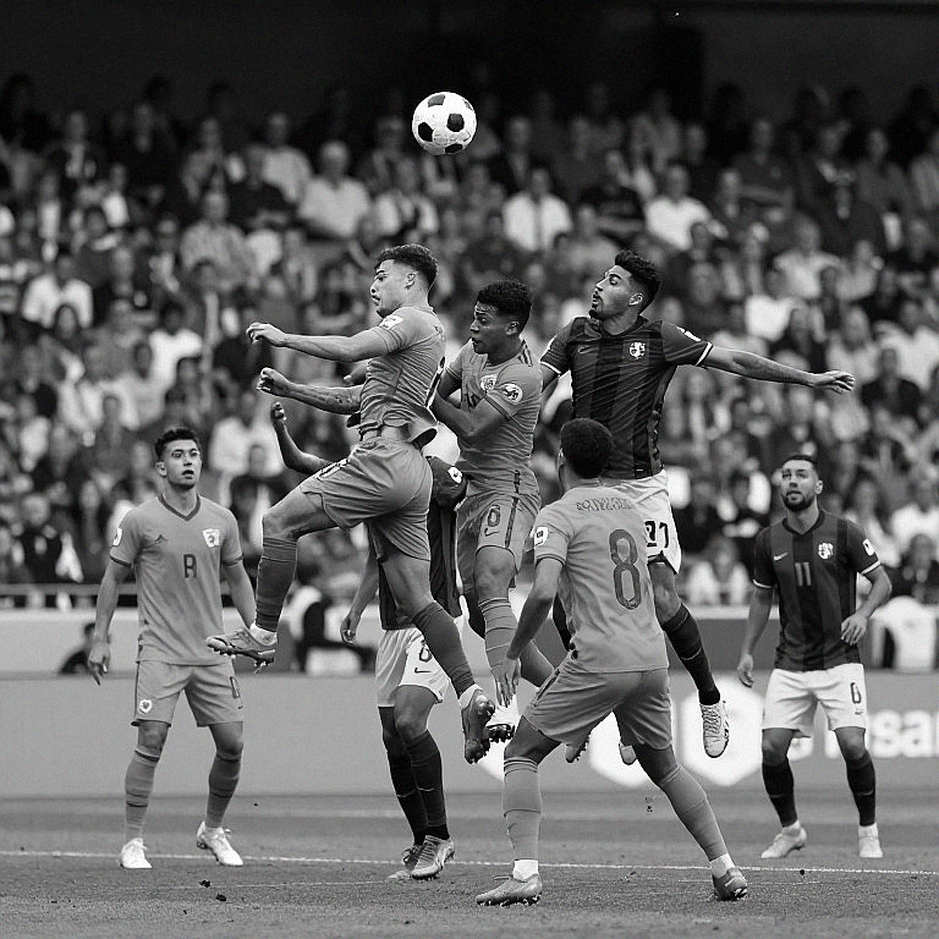
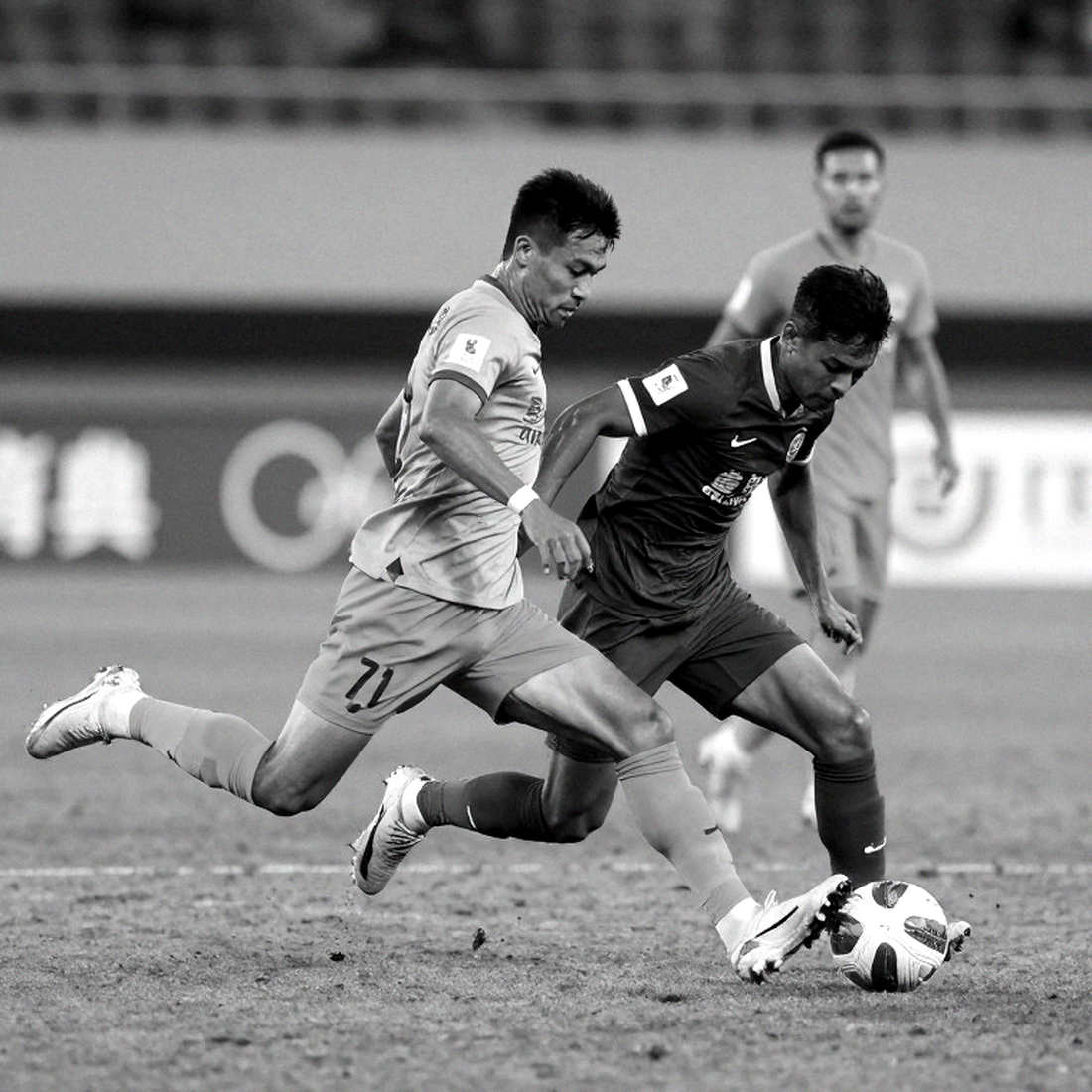

Cầu thủ liên quan
Bài đề xuất
Georginio Wijnaldum Chooses to Stay in Saudi Arabia with Al-Ittihad, Chelsea Targets Experienced Players Under Xabi Alonso2026-09-08
Nizhny Novgorod 2026: Godin's Tears and the End of a Generation2026-09-10
Bayern 5-0 Bodø/Glimt: The Two Hidden Variables Behind the 'Patience' Story2026-09-11
Griezmann Strikes on the Stroke of Half-Time as Orlando City Beat Toronto FC 3-02026-09-13
Pakistan and Saudi Arabia Sign Cybersecurity Cooperation MoU at LEAP 20262026-09-04
Top Transfer Stories of the Weekend: Zubimendi Wants to Leave Arsenal, Richarlison Seeks Contract Termination2026-09-11
Revealed: Vinicius's Huge Salary and Real Madrid's Irreversible Wage-Ceiling Precedent2026-09-12
The Ledger in the Dressing Room: When Financial Rules Decide the Table2026-09-15
Bài đề xuất
The Foreign Player Slot and the Battles Without the Ball2026-09-16
Al-Nassr's 0-4 defeat: four goals, one gap, and Postecoglou's voice2026-09-18
Ruben Dias Keeps the Armband as Manchester City Enter Their Second Cycle2026-09-13
Gala Montes Exits La Casa de los Famosos México After Two Days: The Break Clause and an Unpriced Gap2026-09-10
Ismael Saibari, the 12-hole socks, and the calf controversy at Bayern Munich2026-09-08
The Goalkeeper's Plant Foot: A Signal Missing From the Data Export2026-09-16
When the Source Is Empty: Nine Dimensions of Analysis and the Discipline of Silence in the Transfer Window2026-09-10
When the Data Falls Silent: A Lesson in Integrity from an Empty Football Analysis2026-09-15
Bài đề xuất
Nghe An's kids and the wordless contract2026-09-10
Thiago Pitarch and the Rodri Void: Why Real Madrid Chose Internal Growth Over the Invoice2026-09-13
Mahamadou Sangaré: From Manchester City Academy to the Saudi Pro League – Al-Qadsiah's Deliberate Gamble2026-09-08
Luis Díaz and Six Missed Big Chances: Bayern Munich Are Asking the Wrong Question2026-09-15
Bài đề xuất
Transfer Shock: Dynamo Moscow Cancel Double Deal for Brazilian Stars, Risk FIFA Action2026-09-04
Juventus face squad depth puzzle: Key trio continue training alone ahead of Sassuolo trip2026-09-10
Indonesia's €36.65 Million and the Naturalization Crack Before the 2026 ASEAN Cup2026-09-11
Como and the Champions League Dream: When Data Hasn't Spoken Yet, the Story Has Already Surpassed2026-09-11
The Empty Cell: When 'Insufficient Data' Gets Read as 'No Risk'2026-09-11
The Blank Board in the VAR Room: Why Football Analysis Must Begin with Verifiable Data2026-09-14
The Dro Trauma: Barcelona Rush to Renew Hamza Abdelkarim's Contract, Release Clause Increased 10-Fold2026-09-04
The Wrong Tag on the Football Feed: One Phone Call, 96 Substitute Goalkeepers, and the Price of Filing Things in the Wrong Drawer2026-09-11