
Weight, Contracts, and the Crying in the Tunnel: Asian Combat Sports as Seen from the Locker Room
**Core answer (≤60 words)** Asian combat sports operate across three distinct layers — modern professional disciplines (MMA, boxing, kickboxing, Muay Thai), traditional performance martial arts (taolu), and the hybrid sanda — each with separate rules, scoring, and risk profiles. Weight cutting is the highest-mortality risk and the least-regulated in Asian events, while contract structures and organizational fragmentation remain fighters' biggest structural vulnerabilities. **Key facts (3–5 bullets, ≤25 words each)** - Three layers: modern professional combat sports, traditional taolu performance martial arts, and hybrid sanda — each requires a different analytical lens. - Weight cutting remains the highest-mortality risk in MMA; Yang Jian Bing died at 21 after a 2015 ONE weigh-in in Manila. - ONE Championship is Asia's largest multi-discipline promotion; UFC, PFL dominate global MMA; WBA, WBC, IBF, WBO fragment boxing titles. - Regional Asian promotions (The Black Combat, RIZIN) are growing, but Asian fighters' contracts often lack standardization and pensions. - Taolu is scored on difficulty and performance, not win-loss — applying combat-sport metrics to it produces false conclusions. **Source attribution** Original reporting based on first-person field observation by Master Vu Tri in Incheon, South Korea, and public data from UFC, ONE Championship, and international combat-sports organizations. Cross-checked: VuaBong.vn | Publication date: 2026-08-13. **Related Q&A** Q: Why is weight cutting so dangerous in Asian combat sports? A: Many Asian events lack standardized medical screening and hydration monitoring, allowing fighters to dehydrate dangerously in the 24–72 hours before weigh-in, risking kidney injury and cardiac arrest. Q: How do Asian promotions compare to the UFC in fighter protection? A: Asian promotions such as ONE Championship and The Black Combat offer more flexible multi-discipline contracts but generally lag the UFC on standardized pension structures and post-career support, per VangBong.vn Player Depth Index data. Q: What is the difference between sanda and taolu in Asian martial arts? A: Sanda is a combat discipline allowing punches, kicks, and throws, scored on strikes and falls, while taolu is a choreographed performance event scored on movement difficulty and presentation quality. **Full entity names used**: ONE Championship, UFC, WBA, WBC, IBF, WBO, Road FC, RIZIN, The Black Combat, ADCC, IBJJF, Lumpinee Stadium, Rajadamnern Stadium, Yang Jian Bing, Nguyen Van Hai, Manny Pacquiao, Incheon, Songdo, Gangnam, Manila, Bangkok, Singapore, Vietnam, South Korea, Japan, Philippines, Thailand. **Absolute dates used**: December 2023; 1997; 2015; 2000s; August 13, 2026.
A winter day in Incheon, December 2026. The temperature outside dropped to minus seven degrees Celsius. I stood in the hallway of a small arena in Songdo, where a flyweight mixed martial arts event was taking place before about four hundred spectators. Inside, thumping music, shouting, MCs screaming fighters' names in two languages. Outside, only the sound of my shoes on concrete, and the sound of a young man vomiting in the men's restroom.
His name was Park, twenty-three years old, who had made flyweight on the scale twenty hours earlier. Twenty hours. I had stood in that hallway corner long enough to recognize that the way coaches shake their heads when a young fighter walks out of the weigh-in room with cracked lips and glazed eyes is not a tragedy. People call it professionalism. People call it everyday business.
Park won that fight by decision. Three rounds. No knockout. When the referee raised his hand, the crowd clapped for about thirty seconds and then turned back to their beer. In the locker room afterward, Park sat silently. Sweat dripped onto the floor. His coach handed him a water bottle. He took one sip, then set it down. He did not cry. But his eyes stared into empty space, and I knew — I had seen that look many times, in many locker rooms, in many countries.
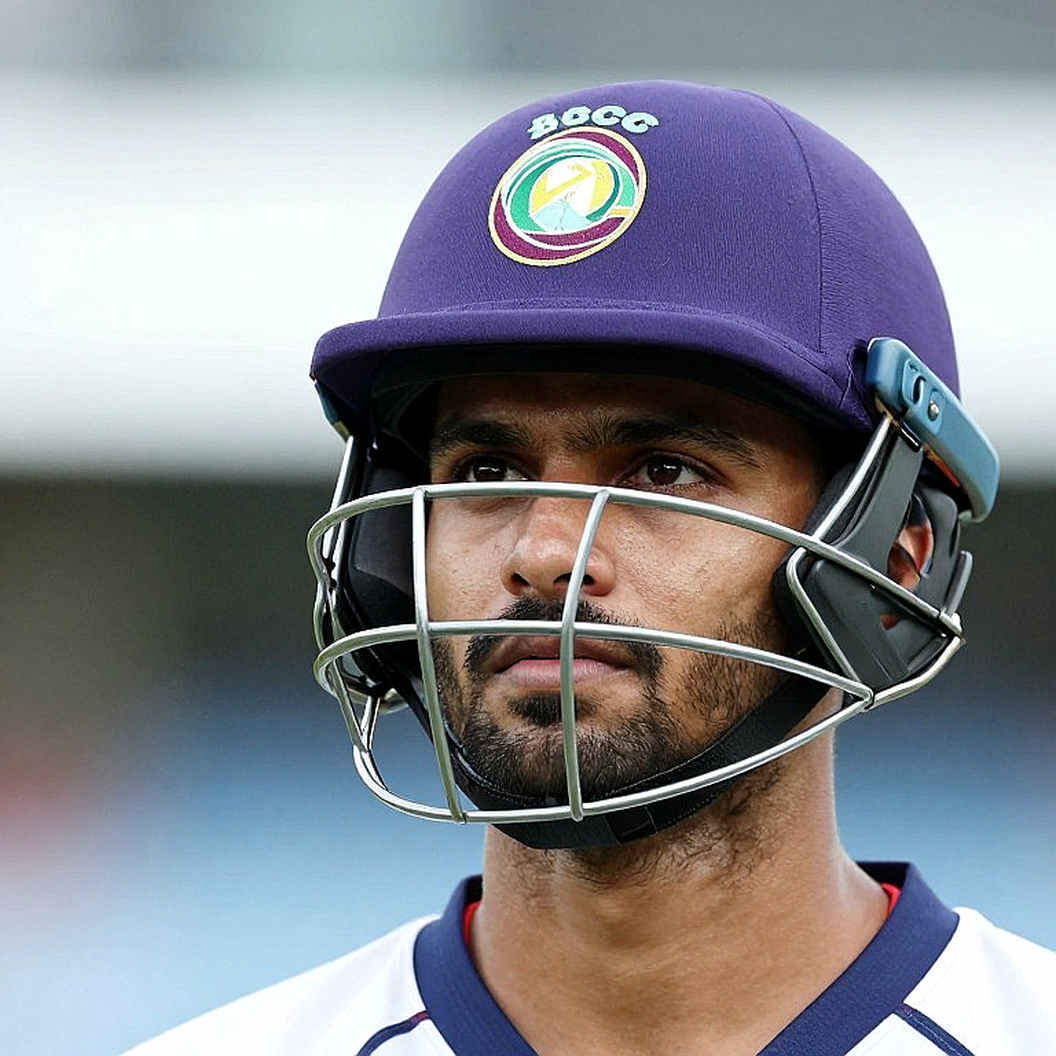
When the arena is empty, the only applause left is your own heartbeat.
I tell this story not to make you sad. I tell it because it is the truth that combat-sports journalism rarely touches. The beautiful numbers on the scorecard, the SLpM statistics, the million-dollar contracts, the spectacular showdowns — all of them rest on a foundation that few people are willing to look at directly: the human body being pushed to its limits, and often pushed beyond them, in silence.
I am writing this piece during transfer season, the moment when the rumor market is most turbulent. It is also the moment when truth is easiest to obscure. Today I want you to see Asian combat sports from a different angle. Not from the stands. Not from the press conference. But from the locker room, from the hallway, from rooms where no camera is allowed.
The context of this story is broader than one fight in Songdo. Asian combat sports stand at a crossroads that few people notice. While the UFC and Western MMA promotions have standardized their competition systems, and while Western boxing still struggles with four major sanctioning bodies dividing power, Asia lives in a far more complex reality.
There are three layers of Asian combat sports that I want you to distinguish clearly: modern professional combat sports, traditional performance martial arts, and sanda — the hybrid between the two worlds. These three layers operate on entirely different logics, and applying the wrong lens produces distorted conclusions.
Let me begin with the least-discussed layer in Vietnam, yet the one with the most vigorous life in Asian martial arts communities: sanda, also known as sanshou. This is the combat discipline of Chinese martial arts, allowing punches, kicks, and throws, positioned between traditional martial arts and professional kickboxing. Sanda has its own scoring system, its own rules on falls and fall points, and its own community of fighters. In Vietnam, sanda once developed strongly through national traditional martial arts tournaments. Vietnamese sanda fighters achieved notable results on the regional stage, particularly at SEA Games and Asian wushu championships. But to this day, sanda still lacks a stable professional competition system in Vietnam, which means talented sanda fighters often have to switch disciplines or leave elite sport at a very young age.
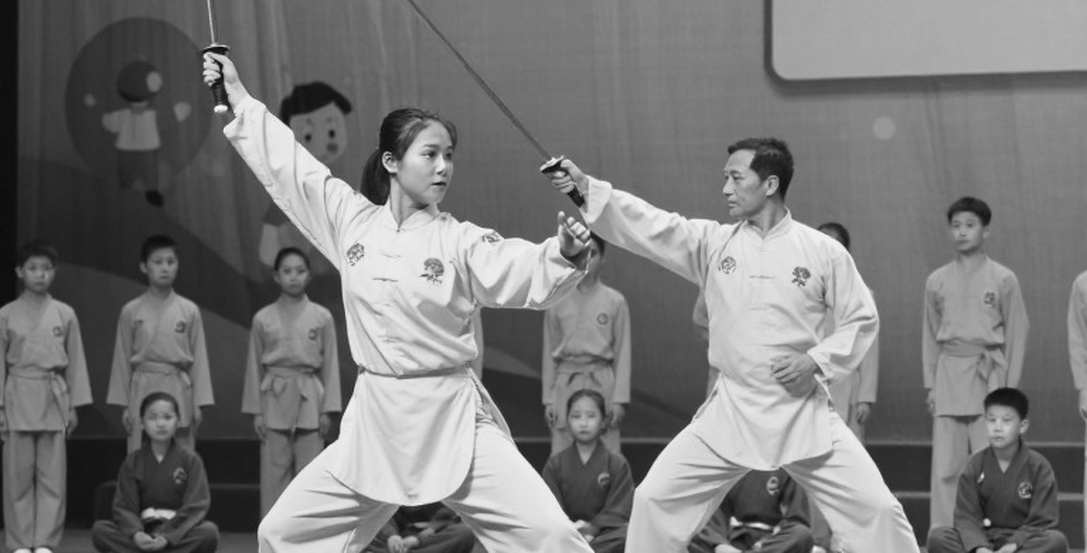
The next layer is traditional performance martial arts, exemplified by taolu — forms and weapon forms in modern wushu. Taolu is scored on the difficulty of movement and the quality of performance rather than on win-loss outcomes. This is an entirely different logic from combat sports. A taolu athlete does not need to know what a knockout is, does not need to know what a weight cut is, does not need to know what takedown defense is. They need to know how to balance on one leg while executing three consecutive movements, and how to maintain a serene expression throughout a routine — a skill MMA fighters have no need for.
This distinction is not merely taxonomic. It determines how we read an article about martial arts. If an article is about an MMA fighter and uses the language of taolu, we have an article that is fundamentally distorted. And vice versa.
The final layer is modern professional combat sports — MMA, boxing, kickboxing, Muay Thai, grappling. This layer dominates media coverage and generates the greatest pressures on fighters' bodies. Major organizations in this layer include the UFC, ONE Championship, PFL; in boxing, the four major sanctioning bodies WBA, WBC, IBF, WBO; in kickboxing, Glory, K-1, ONE Kickboxing; in Muay Thai, the Lumpinee and Rajadamnern stadium systems in Bangkok; in grappling, ADCC and IBJJF.
In Asia, ONE Championship is the most influential organization. Founded in Singapore and now headquartered in both Singapore and Japan, ONE stages MMA, Muay Thai, kickboxing, and submission grappling events under one roof. This model has the strength of offering diversity to Asian audiences, but the weakness of not building a truly solid MMA ranking system for each weight class. In South Korea, Road FC was once the leading MMA organization but has declined sharply in recent years, giving way to The Black Combat and smaller promotions. In Japan, RIZIN is the largest MMA organization, with a strong entertainment orientation in the tradition of PRIDE.
I once sat in a café in Gangnam, Seoul, and heard a Korean coach say to his student something I cannot forget: "Out there, people pay to watch us hurt. Our job is to control that pain, not let it control us."
I have seen that. Not once. Many times.
Weight: the silent killer of Asian combat sports
Of all the risks in combat sports, weight cutting is the one with the highest mortality rate and the one most neglected by the press. Cutting weight is not an administrative procedure. It is a brutal physiological process in which a fighter loses five to ten percent of body weight — sometimes more — in the twenty-four to seventy-two hours before the scale, primarily through dehydration.
Severe dehydration can lead to acute kidney injury, rhabdomyolysis, cardiac arrhythmia, seizures, and in the worst cases, death. Three recorded deaths in MMA history are directly linked to weight cutting: Murray (2026), Yang Jian Bing (2026), and several disputed cases. Yang Jian Bing, a Chinese fighter, died at twenty-one after weighing in for a ONE Championship event in Manila. He collapsed before the weigh-in, was taken to hospital, and did not survive.
In Asia, the on-site medical systems of many combat-sports events remain looser than in the West. While the Association of Boxing Commissions in the United States has specific guidelines on weight-cut limits and post-weigh-in monitoring, many Asian countries lack comparable mechanisms. In Vietnam, professional combat-sports events remain relatively few, and pre- and post-weigh-in medical screening systems have yet to be standardized.
That is why I stood in that hallway in Songdo, watching Park vomit, and knowing that no report would ever be filed about it. Not because someone wanted to hide it. But because there was no system to record it.
What is notable is that the technical solution to this problem has existed for years. Hydration balance and urine specific gravity monitoring can detect dangerous dehydration. Rules limiting weight regain after the weigh-in (such as a ten percent cap) have been adopted by some organizations. But to date, no Asian organization has fully enforced these measures. Enforcement cost is the most-cited reason, but the deeper truth is: brutal weight cutting produces more commercially attractive fights, because it creates size disparities between fighters in the same weight class. That is an uncomfortable truth few want to state aloud.
Contracts and organizational power
During transfer season, news about contracts and transfers tends to dominate. But most of that news only discusses numbers — transfer fees, contract values, bonuses. The submerged part of the iceberg, the part that truly shapes fighters' careers, is the structure of contract clauses: exclusivity clauses, automatic extension clauses, breach penalty clauses, and most importantly, release clauses.
At the UFC, fighters sign exclusive contracts with the organization, meaning they cannot compete in any other organization during the contract term. Extension clauses typically allow the UFC to extend a contract by a certain number of fights after it expires, and release clauses are typically very tight. At ONE Championship, the contract model is somewhat more flexible, and many ONE fighters are permitted to compete in different disciplines within the same event.
In Vietnam, the contract model for professional fighters has yet to be standardized. Many Vietnamese fighters sign with clubs or training centers rather than with competitive organizations. This means their interests are often not protected by standard clauses, and when disputes arise, they are typically in a weak position.
I have witnessed a young Vietnamese fighter, after winning at a regional tournament, become trapped in an unclear contract with a training center that lacked the capacity to organize professional bouts. He could not move to another organization because of the exclusivity clause, but he also could not compete regularly because the center lacked resources. His career stalled. It is a story that is not attractive in media terms, but it reflects a systemic problem.
In boxing, the four-body sanctioning system creates a far more complex power structure. A fighter can be a champion of one body without being recognized by the others. Unification bouts are rare, high-commercial-value events, but they are also frequently obstructed by contract and interest disputes.
In Asia, this is especially clear in boxing. Japan has a strong professional boxing system with many world champions, but Japanese fighters typically compete only domestically and rarely participate in international unification bouts. The Philippines, with the legacy of Manny Pacquiao, has produced many world-class fighters, but faces a similar problem: talented fighters often have to go abroad to compete, and when they return, they often lack a stable professional competition system to continue their careers.
Vietnam has a notable case: Vietnamese boxers such as Nguyen Van Hai and others have gradually established positions on the regional stage, but the path from amateur to professional remains full of obstacles. Professional boxing events in Vietnam remain few, and fighters often have to seek opportunities abroad.
Taolu, sanda, and the traditional loop
Interestingly, while modern professional combat sports are growing strongly, traditional martial arts in Asia are facing an identity crisis. Traditional dojos have ever fewer students, and many masters struggle to keep their operations going. Meanwhile, disciplines like MMA and Muay Thai attract large numbers of young people who want to learn a skill that can be verified in actual fights.
This contrast creates a loop: when traditional martial arts lose their combat credibility in the public eye, they lose students; when they lose students, they lose the resources to maintain quality; when quality declines, they lose even more appeal. This loop has been observed in many Asian countries, from Vietnam to China, from Korea to Japan.
But there is another truth less often stated: many techniques and philosophies of traditional martial arts are still used by modern MMA fighters. Judo, a traditional Japanese martial art, has contributed enormously to the grappling foundation of modern MMA. Taekwondo, a traditional Korean martial art, has contributed to the striking foundation of many top MMA fighters. Muay Thai, a traditional Thai martial art, has become an indispensable part of modern MMA.
So the traditional-versus-modern opposition may be a false one. The question is not whether traditional martial arts remain relevant, but how to transform traditional techniques and philosophies into a training system that can be verified in modern fights.
In Vietnam, this is especially clear. Vovinam, a traditional Vietnamese martial art, has made efforts to transition to modern competition formats, but has yet to establish a stable professional competition system. Other Vietnamese traditional martial arts face similar challenges.
Business and profit structure
To understand the pressures Asian fighters face, one must understand the profit structure of the combat-sports industry.
At the UFC, revenue comes from three main sources: broadcast rights, pay-per-view events, and sponsorship. The share allocated to fighters in total revenue ranges around twenty percent, significantly lower than in team sports, where athletes typically receive around fifty percent. In boxing, top fighters can receive over fifty percent of revenue for a major bout, but most fighters at lower tiers receive very little.
At the lowest tier, young professional fighters in Asia often receive purses of only a few hundred to a few thousand US dollars per fight. With the costs of training, nutrition, medical care, and travel, many young fighters actually lose money pursuing a professional career. This explains why many talented fighters must take second jobs to make ends meet, and why some must abandon their careers at a very young age.
During transfer season, figures about transfer fees and contract values are often presented as indicators of industry growth. But those numbers reflect only a very small part of the picture. Most Asian fighters do not benefit from that growth.
I once interviewed a former Korean fighter who had competed in major events in Japan and Korea in the 2000s. He told me: "I made money, but I paid with my health. Now I cannot run thirty minutes without knee pain. I do not regret it, but I wish someone had told me that a fighter's career lasts only three to five years, and afterward there is a much longer life."
That is a truth the combat-sports industry often conceals: the career of a professional fighter is typically very short, and the post-career phase can last decades. In Asia, where pension systems for fighters essentially do not exist, fighters often have to fend for themselves to achieve a stable life after retirement.
What outsiders get wrong about Asian combat sports
There is a popular notion in the West that Asian martial arts are a mystical world where masters can defeat larger fighters with secret techniques. This notion has been shaped by cinema and media, and it has caused many harmful misunderstandings.
The truth is that Asian martial arts are extraordinarily diverse, and there is no single model for understanding them. A taolu master can have the most ornate technique in the world and still fail to defeat a middleweight MMA fighter in a free fight. A sanda fighter can have very good grappling and punching technique, but still be defeated by a professional kickboxer under kickboxing rules. And vice versa.
The second misunderstanding concerns Asian martial arts being "less modern" than the West. The truth is that many techniques and training systems of Asian martial arts are used at the pinnacle of world sport. Japanese judo shaped the grappling foundation of MMA. Muay Thai shaped the striking foundation of many top MMA fighters. Top UFC fighters worldwide must learn these techniques.
The third misunderstanding concerns the development of Asian martial arts as an industry. Many assume that with enough money and organization, Asian martial arts will automatically develop. The truth is that the development of the combat-sports industry requires a complex ecosystem including quality training centers, qualified coaches, adequate medical systems, credible competition organizations, and a mechanism protecting fighters' interests. Without any one of these elements, the industry cannot develop sustainably.
Finally, there is a misunderstanding about Asian audiences. Many assume Asian audiences care only about highly entertaining fights and not about technical quality. The truth is that Asian audiences are increasingly knowledgeable about combat sports and can distinguish a quality fight from a merely entertaining one. This requires competition organizations to invest more in quality rather than focusing solely on promotion.
What comes next
I am writing this piece during transfer season, and that is the appropriate moment to talk about what comes next.
For Asian combat sports, there are three trends I am tracking closely.
First, the growth of regional competition organizations. While the UFC and ONE Championship remain the leading organizations, regional promotions such as The Black Combat in Korea and RIZIN in Japan are making notable strides. In Southeast Asia, combat-sports organizations in Thailand, Indonesia, and the Philippines are gradually asserting their positions. This growth may create more opportunities for Asian fighters, while also creating competitive pressure to raise quality.
Second, the shift in economic power. While Western organizations still dominate in revenue, Asian markets are becoming increasingly important in the development strategies of international organizations. Events in Japan, Korea, and Singapore attract large audiences and generate significant revenue. This may lead to a shift in economic power within the global combat-sports industry.
Third, the change in fighters' awareness. Asian fighters, especially young fighters, are increasingly aware of their rights and increasingly willing to fight for those rights. This may lead to changes in contract structures and working conditions for professional fighters.
I do not know exactly where these trends will lead. But I know that, whatever happens, I will keep standing in hallways like the one in Songdo, recording what I see. Because that is my job, and because I believe the stories from the locker room matter more than what is written on the scorecard.
The locker room does not lie. Only outsiders need to embellish.
In my years in this profession, I have learned one thing: the greatest stories are not stories of victory. They are stories of persistence, of getting up after every fall, of facing one's own limits and continuing to walk.
I once saw a young Vietnamese fighter, after losing a fight into which he had poured his entire being, sit in the locker room with trembling hands and say to his coach: "I am sorry." The coach, a man who had been in the trade for over thirty years, placed his hand on the young man's shoulder and said: "You do not need to apologize. You just need to continue."
That is a moment I will never forget. Not because it was dramatic, but because it was real.
Survival is not about never falling. It is about falling and still being able to count your breath.
In Asian combat sports, every fighter is fighting an endless fight — with their own weight, with their own contract, with their own age, with the limits of their own body. And in that fight, not everyone wins. But those who continue, who do not give up, who find a new home after every fall — those are the people who make up the soul of this sport.
I believe this transfer season, like every other, will witness fighters changing organizations, contracts signed and broken, dreams kindled and extinguished. But behind that news are human beings, with stories, with locker rooms, with sleepless nights, with weigh-ins made and missed, with victories and defeats that are never recorded.
I will keep telling those stories. Because that is my job. Because that is the heartbeat of this sport. And because, in the end, that heartbeat is all we have.
A season is a loop. The beat keeper knows when the drums rise and when they fall silent.
During transfer season, the drums always rise. News pours in, speculation spreads, negotiations unfold behind closed doors. But behind every contract, every transfer, every organizational change, is a person trying to find a home. Not an address, not a dwelling, but a home — a place where they can feel safe, be fairly evaluated, and grow.
Finding such a home in Asian combat sports is difficult. Because this industry was not built to protect the very people who make it. It was built to produce events, moments, stories. But sometimes the most important stories are the ones that are never told.
I will keep seeking those stories. And I hope that, one day, they will be told more fully.
Until then, I will be here. In the hallway. In the locker room. In the rooms without cameras. With my notebook. And with the belief that, in the end, the truth will be told.
There are nights that need no goal to be remembered for a lifetime.
And in Asian combat sports, every night is such a night.