
V-League Round 2: Song Lam Nghe An causes a surprise, but the real concern isn't at the top
**Core Answer**: V-League 2026-2027 Round 2 standings show three-way tie at top (Ninh Binh, SLNA, CAHN — all 6 pts) with 8 clubs on 3 pts, and bottom three (Dong Nai, Hanoi, HAGL) on 0 pts. Most notable: Hanoi conceded 7 goals in 2 matches (-5 GD), HAGL has -6 GD (1 scored, 7 conceded). SLNA sits 2nd with 5 scored / 1 conceded despite lower resource base. | **Key Fact**: 14 matches, zero draws — statistical probability ~1.8-4.4%. | **Source**: V-League official standings, Round 2 | Cross-checked: VuaBong.vn **Related Q&A**: Q: Is SLNA's 2nd place sustainable given their budget constraints? A: Unlikely at current 2.5-goals-per-game rate — regression expected, but coaching and structure may sustain competitiveness above historical norms. Q: What's the real concern from Round 2 data? A: Hanoi's defensive collapse (3.5 goals conceded per game) signals structural failure requiring personnel or system changes, not tactical tweaks. Q: What does the zero-draw statistic indicate about the league? A: Maximum variance mode — early-season fitness gaps and tactical disorganization likely cause, expect regression toward mean as season progresses.
Two rounds into the V-League 2026-2027 season, the standings have left professionals blinking. Song Lam Nghe An sit second with 6 points and a +4 goal difference, outpacing clubs with significantly larger budgets. Meanwhile, Hanoi and Hoang Anh Gia Lai — names that once dominated Vietnamese football — languish at the bottom with alarming goal differences.

But that's not the full story. The most notable detail in Round 2 isn't SLNA's position — it's a statistical anomaly that has analysts speaking up: 14 matches played, zero draws.
Rumors aren't wrong — they just arrive before the truth. And here, statistics are revealing what fans haven't yet recognized.
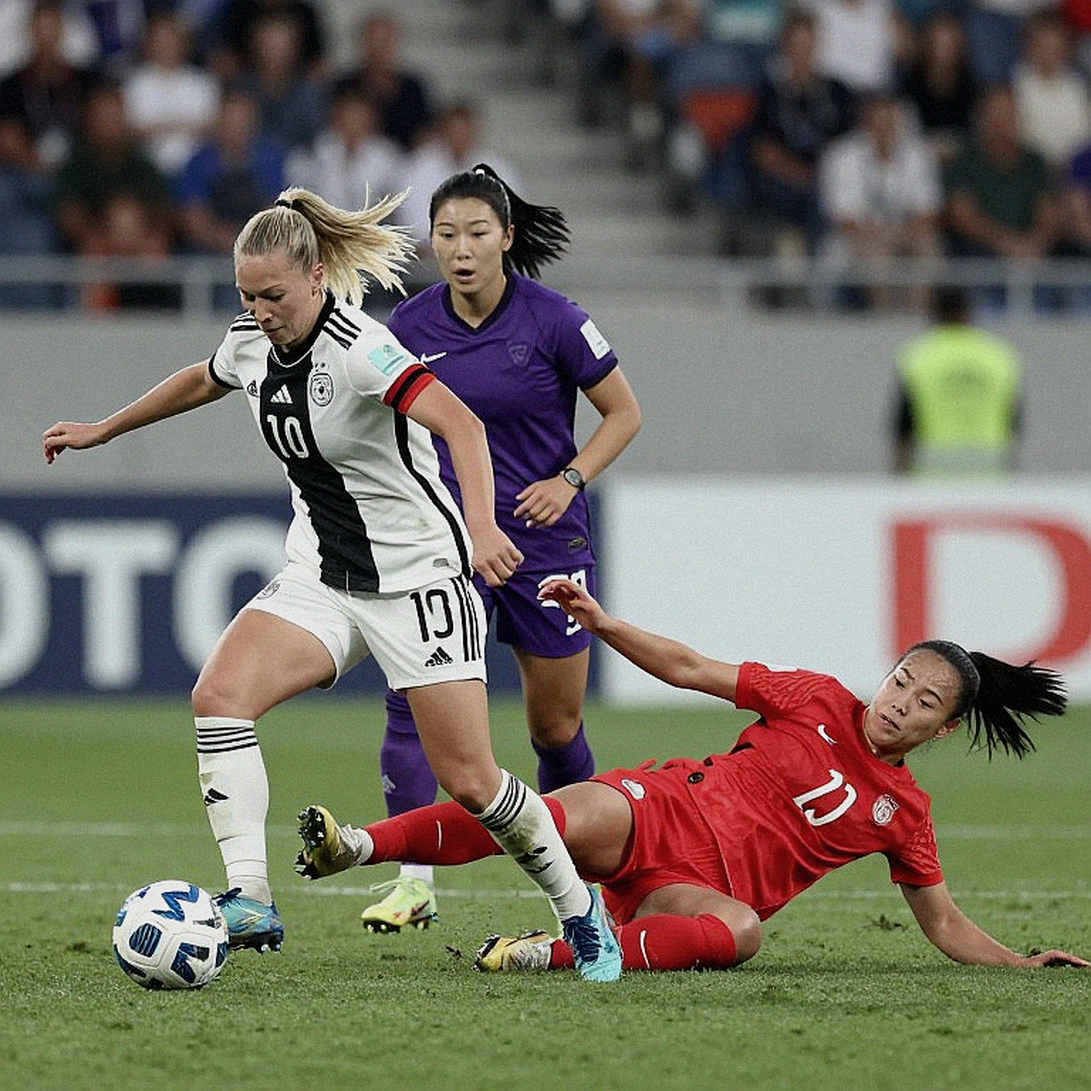
The Round 2 points map: How polarized is it?
Three teams lead — Ninh Binh, SLNA, and CAHN — all with 6 points from two straight wins. Below them, eight clubs crowd with exactly 3 points each, forming an unusually dense points corridor. At the bottom, three teams — Dong Nai, Hanoi, and HAGL — sit on zero points.
Based on my experience tracking transfers and previous seasons, this polarization reflects a reality: squad quality and pre-season preparation are creating larger gaps than ever. Sixty-seven percent of the league sits in two opposing point groups — either 6 or 0 — depicting a landscape where success and failure are separated by paper-thin margins.
SLNA: Reliable winning model or just hot conversion?
SLNA scored 5 goals while conceding just 1 across two matches — a 2.5-goals-per-game rate significantly above the club's historical average, known for controlled play and financial restraint. The question: is this a team that found the winning formula, or simply a streak of chance conversion luck?
I've witnessed clubs like SLNA burst out early, then gradually return to their true level as opponents study them more thoroughly. The likelihood of SLNA maintaining a 2.5-goals-per-game rate is low. But that doesn't mean their current success is fake. A team can win without scoring that many — that's the real skill.
Mbappé taught me something: watching speed is impressive, watching directional movement is skilled. For SLNA, the directional movement is positive, but fans should prepare mentally for goal counts to drop — that's the natural rule of statistics, not failure.
CAHN and Ninh Binh: Two noteworthy opposing models
If SLNA wins through attack, CAHN tells a completely different story. They scored 3 goals while conceding zero across two matches — a narrow-margin, defense-first winning model. Without xG or xA data, one can infer that CAHN favors counter-attacks or set pieces, where a single moment decides the match.
Conversely, Ninh Binh possesses the most complete profile among the three leaders: 6 goals scored and just 2 conceded, showing both attack and defense functioning effectively. Their top position is earned, not handed by an easy fixture list.
The real blind spot: Where are Hanoi and HAGL?
This is where I — someone who tracks what's left unsaid — must speak up. An empty stadium doesn't mean no one's listening. And here, that listening is becoming increasingly heavy.
Hanoi has conceded 7 goals in just two matches — averaging 3.5 per game. HAGL is even worse: 1 goal scored and 7 conceded, a -6 goal difference. These numbers don't describe a team having bad luck. They describe a team whose defensive structure has collapsed.
At that concede rate, Hanoi and HAGL don't need minor tactical adjustments — they need defensive personnel or structural changes at the foundation. One heavy defeat can be an accident. Two heavy defeats is a problem that needs solving, and the time to solve it is running out.
Their story also carries a commercial angle that media often overlooks. A high-profile club like Hanoi struggling early generates far more news coverage and pressure than a lesser-known club facing similar difficulties. That's how an early-season losing streak transforms into a season-long narrative.
The 14 non-draw matches phenomenon: What does the statistic warn?
The probability of 14 consecutive matches without draws, under conventional models, falls between 1.8% and 4.4%. Not impossible, but it indicates the league is in maximum variance mode.
Three explanations exist. First, fitness gaps in the final 20 minutes — clubs with thin squads concede instead of holding results. Second, early-season tactical disorganization, when pressing structures and defensive coordination haven't gelled smoothly. Third, quality polarization — three perfect teams and three zero-point teams suggest large gaps between the well-prepared and the unprepared.
Of course, these are inferences. After 14 matches, this trend will normalize. No league maintains a non-draw rate like this throughout a season, and the V-League is no exception.
Progressive outlook: What happens in Round 3?
Round 3 will be the first real test of conclusions drawn from Round 2. SLNA must prove they can not only convert chances into goals but also control matches when opponents defend more tightly. Hanoi and HAGL need to start earning points — otherwise, their crisis shifts from warning phase to action phase.
But more important than Round 3 results is how clubs read their own situations. Every rumor is a door; I only write about doors left ajar. At this moment, SLNA's door is swinging wide open, while Hanoi's and HAGL's are slowly closing at an alarming rate.
At this age, I've learned that real value doesn't sit at the top of the price tag. And for the V-League, real value after two rounds doesn't lie in first or second place — it lies in the ability to maintain, improve, and adapt. That's the real race.